








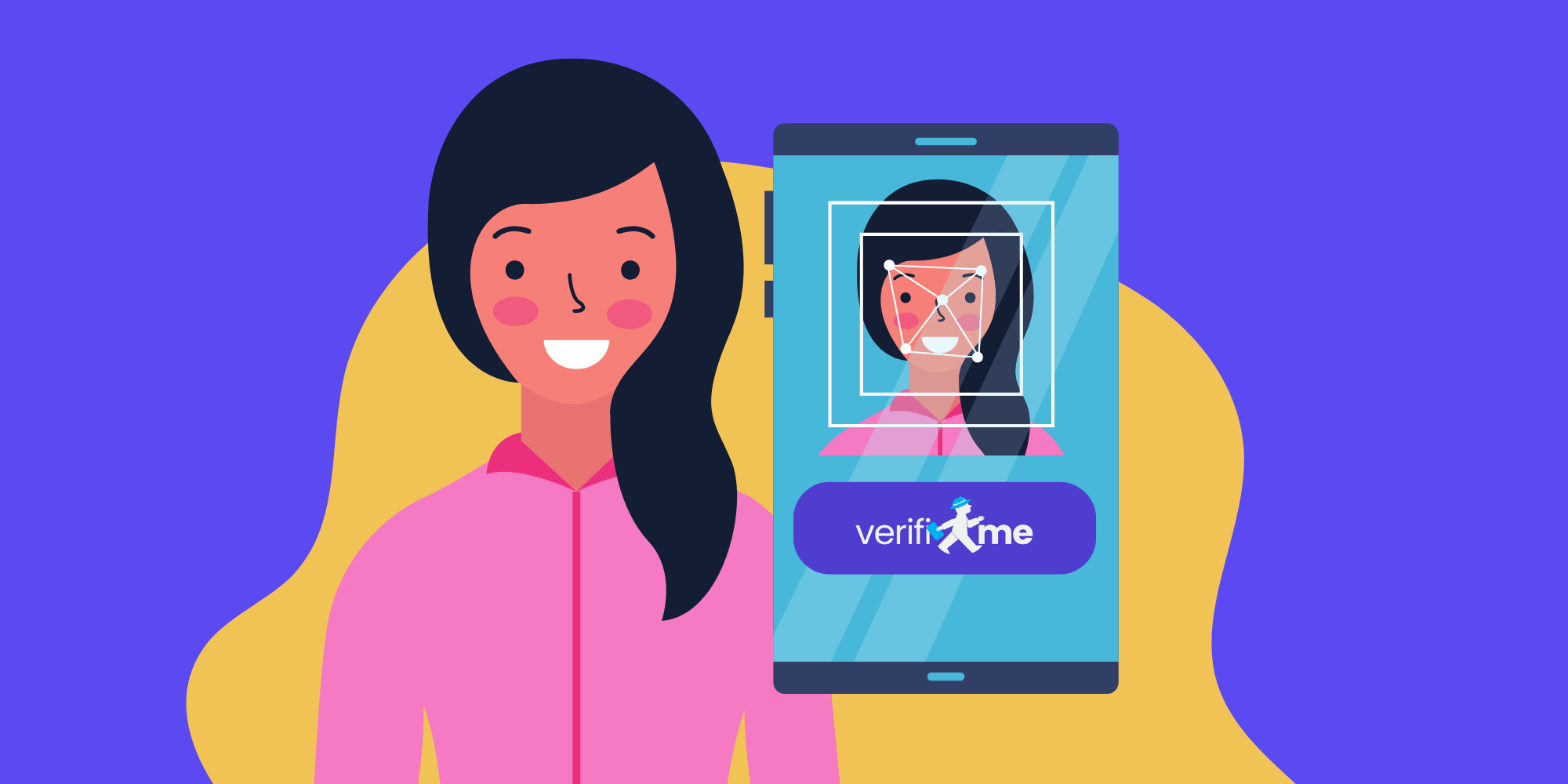
Biometric Identity Verification: Understanding the difference between Passive vs Active Liveness Checks
What is a liveness test?
In today's digital landscape, biometric identity verification has become a cornerstone for ensuring secure and seamless interactions. A crucial component of biometric authentication is liveness checks.
A liveness test is an automated method used to verify if a subject is a real person and not part of a spoofing attack. This is crucial in biometric systems to ensure the authenticity of the user.
What are the differences between passive and active liveness checks and why does it matter?
Passive Liveness Checks
A passive liveness test is a method used to verify that a person is real without requiring them to perform any specific actions. Unlike active liveness tests, which might ask users to blink, smile, or move their head, passive liveness detection works in the background, analyzing a single image or video frame to determine if the subject is alive.
Here's how passive liveness checks work:
Texture Analysis: Evaluates skin texture to distinguish between a real face and a photo or a mask.
Lighting and Shadow Detection: Assesses how light interacts with the face to detect anomalies that could indicate a spoofing attempt, such as a photograph.
Reflection Analysis: Looks for natural reflections in the eyes and on the skin, which are difficult to replicate in photos or masks.
Benefits of Passive Liveness Checks
Since passive checks do not require additional user interaction, they can offer a level of convenience. Image files are also generally smaller than video content files. There may also be element of familiarity in performing a “selfie” over following actions, so the passive approach can speed up the process.
Limitations of Passive Liveness Checks
Limited Robustness: They may not be as effective against sophisticated spoofing techniques, such as high-quality photos or 3D masks.
False Positives: Passive checks can sometimes generate false positives, mistakenly flagging genuine attempts as fraudulent.
Additional checks: They may require an additional selfie photo for face comparison as well, which can impact on the user experience.
Active Liveness Checks
Active liveness checks work similarly to passive liveness checks, with the addition that they require the user to interact to confirm liveness by performing specific actions. We sometimes refer to these as “liveliness checks”. Common example of prompts which might be requested include:
Head Movements: Users may be prompted to turn their head from side to side or up and down.
Speech Commands: Users may be prompted to speak a specific phrase or series of numbers.
Benefits of Active Liveness Checks
Higher Security: Active checks are more resilient against coercion, as they require dynamic responses that can be interpreted for consent, coercion or intimidation.
Fraud Mitigation: The interactive nature of active checks significantly reduces the likelihood of successful identity fraud or spoofing attempts.
Increased Confidence: Active liveness checks provide a higher level of assurance that the biometric input is from a live person as the individual will need to perform the specified action willingly.
Layered Security: When combined with other biometric verification methods, active liveness checks add an extra layer of security, making it even more challenging for malicious actors to compromise the system.
Limitatoins of Active Liveness Checks
User Experience: Active liveness checks require users to perform specific actions, such as blinking, smiling, or moving their head. This can be inconvenient and may lead to a poor user experience, especially if instruction are not clear.
Environmental Dependence: The effectiveness of active liveness checks can be influenced by environmental factors such as lighting conditions when movements are requested and background noise when voice commands are sought.
File size: Video files can be more challenging to upload and analyse in remote or regional areas where access to a reliable internet connection is limited.
The Role of Biometric Liveness Checks in AML/CTF Programs
Biometric identity verification, including robust liveness checks, is a crucial element of customer due diligence in AML/CTF programs. Regulated entities must ensure that the individuals they are onboarding or transacting with are genuine and not using fraudulent identities. By integrating active liveness biometric checks within their authentication processes, these entities can achieve:
- Enhanced Due Diligence: Verify the identity of customers more effectively, ensuring compliance with regulatory requirements.
- Fraud Prevention: Minimize the risk of identity theft and fraudulent activities, which are common tactics used in money laundering and terrorism financing.
- Regulatory Compliance: Meet the stringent requirements set by regulators for identity verification and due diligence, reducing the risk of penalties and reputational damage.
VerifiMe employs an active liveness test as part of the identity verification process. This higher standard affords greater security to our platform and to the clients who rely on our verifications. Customer uploading their information can be assured that the active liveness tests prevent identity fraud, securing identity document use to the rightful, lawful owner and offers some evidence towards the state of the individual when uploading their identity documents.
Conclusion
While both passive and active liveness checks play crucial roles in biometric identity verification, active liveness checks stand out for their enhanced security and effectiveness in preventing fraud, coercion, and identity theft. By incorporating user interaction, active checks offer a robust defence against sophisticated spoofing techniques, ensuring that the person behind the biometric input is indeed present, alive and consenting.
As the digital landscape continues to evolve, the implementation of active liveness checks will be a key factor in safeguarding identities and maintaining trust in biometric systems.
Tranche 2 for accountants: two identity regimes, one client relationship
2 May 2026
Privacy Is Now Part of Your AML/CTF Obligations — What the OAIC's Updated Guidance Means for Your Business
30 March 2026

Your Clients' Consent Is All You Need. Here's Why That's a Big Deal.
16 March 2026

Why VerifiMe's Status as a Government-Approved Gateway Service Provider Matters for Your Practice
16 March 2026


Ready to meet compliance requirements with VerifiMe®?